

 Esti Juango's Ravelry Store
 Pattern


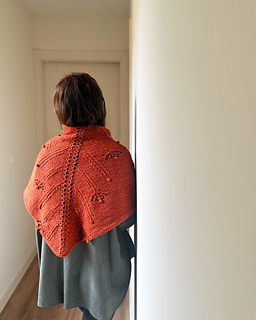
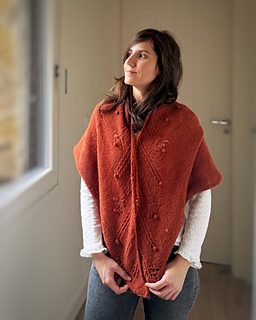
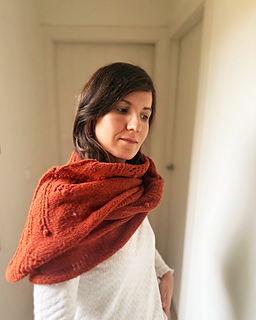
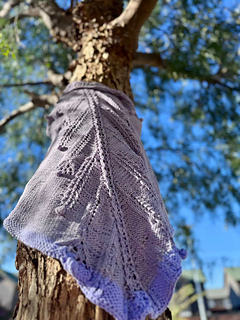
Jaio

Inspiration (Spanish below)
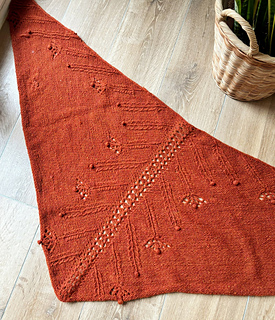
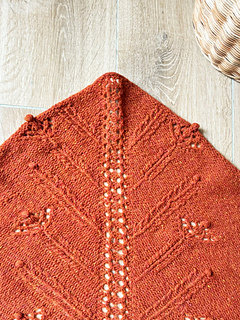
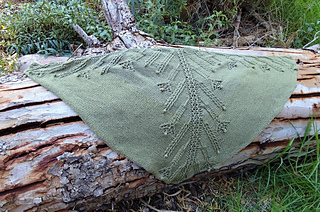
Jaio means to be born in Basque and evokes the foliage and stems that are born in this shawl in the centre of the openwork, extending through the garment and making it blossom.
Difficulty Level
Intermediate
Pattern has been tech edited and tested
What ko you need to know?
To knit, purl, make increases and decreases. To work flat.
Size
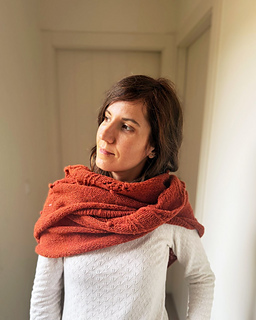
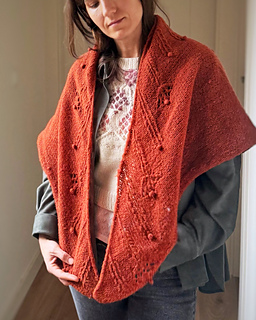
155 cm / 61 “ long and 65 cm / 25.5 “ deep.
Materials
- Yarn: Manchelopis Wooldreamers. 100gr; 230 m (252 yds). 100% Manchega Wool
- Amount: 1 skein of 100 gr.
- Total in meters: 230 m
- Total in yards: 252 yds
- Other yarn suggestions provided
- Circular 5 mm (US 8) needles
- Markers
- Stitch holders
- Tapestry needle
Gauge
In a 10x10 cm (4x4 in) gauge you should have 19 sts and 22 Rows worked in St st. The swatch is blocked.
Construction notes
The shawl is constructed starting from the central part. The increases are combined to create the triangular shape as shown in the image below, all surrounded by an i-cord edge all the way around. The shawl is symmetrical with the vertical axis.
---Español/ Spanish---
Inspiración
Jaio significa nacer en euskera y evoca a las flores y tallos que nacen en este chal del centro del calado, extendiéndose por la prenda y haciendo que florezca.
Nivel de Dificultad
Intermedio
Requisitos previos
Saber tejer derecho, revés, hacer aumentos y tejer en plano.
Tamaño
155 cm de largo y 65 cm profundidad
Materiales
- Lana: Manchelopis Wooldreamers. 100gr; 230 m (252 yds). 100% Manchega Wool
- Cantidad: 1 ovillo de 100 gr.
- Total en metros: 230 m
- Sugerencias otras lanas incluidas
- Agujas de 5 mm
- Marcadores
- Aguja lanera
Tejido de Muestra
En un cuadrado tejido de 10 x 10 cm obtendrás 19p por 22 pas con una aguja de 5 mm.
Notas de construcción
El chal se construye empezando por la parte central. Se van combinando los aumentos para crear esa forma triangular tal y como te muestro en la imagen inferior, todo rodeado de un borde i-cord en todo el contorno. El chal es simétrico respecto al eje Y que nos da la profundidad.
Para tejerlo iremos recorriendo distintos gráficos, que están detallados fila por fila y también tienen su correspondiente esquema.


 Ravelry download


 Cancel
3013 projects
stashed 2531 times
 stashed